
A short history of Norway
Norway has been fully independent for just over a hundred years, but its history goes back much further. Learn a handful of dates – 1814, 1905, 1940 and 1969 – and you will suddenly understand why 17 May is celebrated the way it is, and why Norwegians talk about the oil fund over dinner.

The Viking Age
The Viking Age is usually dated from the attack on the Lindisfarne monastery in England in 793 to the Battle of Stamford Bridge in 1066. Norwegians sailed west to Shetland, Orkney, Ireland, Iceland and Greenland. They were not only warriors – most were farmers, fishermen and traders.
This was also when Norway was gathered into one kingdom. The sagas give the credit to Harald Fairhair, but unification took a long time. Olav Haraldsson, who fell at Stiklestad in 1030, became Saint Olav after his death, and Nidaros Cathedral in Trondheim was built over his grave. If you want to see real Viking ships, go to the Museum of the Viking Age at Bygdøy in Oslo, and in Borre in Vestfold there are large burial mounds.
The union with Denmark
The Black Death arrived in 1349 and killed a large part of the population. The royal line died out, and from 1380 Norway and Denmark shared a king. The Kalmar Union of 1397 also brought in Sweden for a time, but Sweden broke away, while Norway stayed with Denmark all the way until 1814.
Norwegians often call this period «the four-hundred-year night». Power sat in Copenhagen, and Danish became the written language. That is why Bokmål looks so much like Danish, and why Ivar Aasen later built Nynorsk from Norwegian dialects. If you have wondered why Norway has two written standards, the explanation starts here.
1814: the Constitution at Eidsvoll
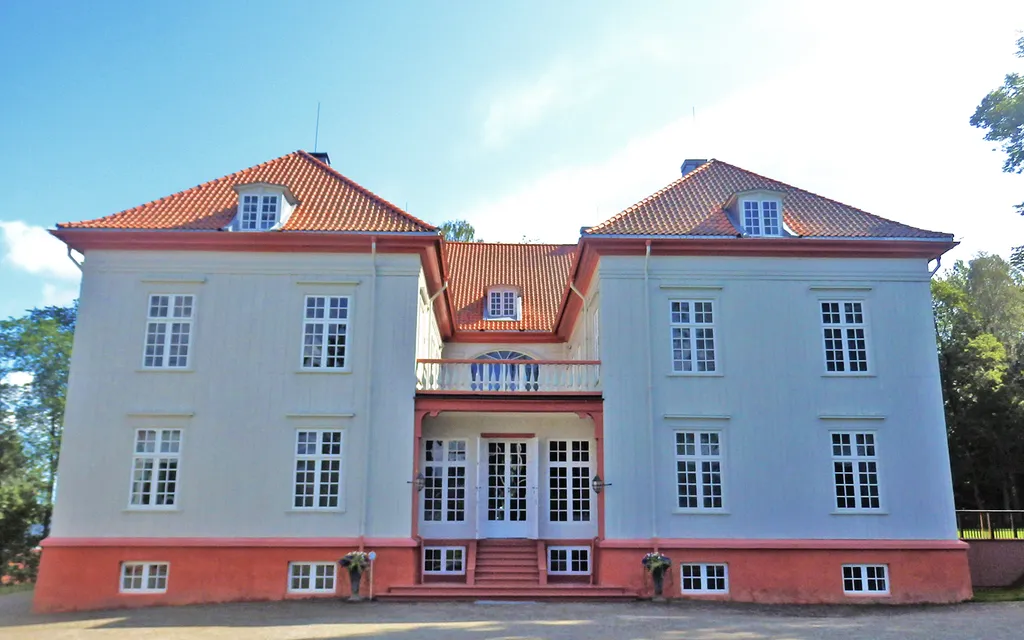
After the Napoleonic Wars, Denmark had to hand Norway to Sweden in the Treaty of Kiel in January 1814. Norwegians did not simply accept it. 112 men gathered at Eidsvoll, north of Oslo, and on 17 May 1814 the Constitution was adopted and dated. It was based on separation of powers and was very liberal for its time.
Sweden answered with a short war that summer. The result was a compromise: Norway entered a union with Sweden under a shared king, but kept its Constitution and got its own parliament, the Storting. That is why 17 May is the national day, and why it is celebrated with children's parades rather than military ones. The Eidsvoll building is open to visitors and well worth a day trip.
1905 and Haakon VII
The union with Sweden became more and more contested, and the dispute over Norway having its own consulates was the last straw. On 7 June 1905 the Storting declared the union dissolved. A referendum in August showed an overwhelming majority for the break, and negotiations in Karlstad meant it happened without war.
Norway chose to remain a monarchy and offered the throne to the Danish Prince Carl. He asked for a referendum first, got a yes, and took the name Haakon VII. He became a unifying figure, especially during the war. Today's royal family – King Harald V, Queen Sonja and Crown Prince Haakon – descends from him.
The occupation 1940–45
Germany attacked Norway on 9 April 1940. In the Oslofjord the cruiser Blücher was sunk at Oscarsborg fortress, which gave the King and the government time to get out of Oslo. After two months of fighting they went to London and led the resistance from there. Vidkun Quisling took power with German backing, and his name has become a word for traitor in many languages.
The occupation lasted five years. Many Norwegian Jews were deported, and in Finnmark and northern Troms the Germans burned almost everything during their retreat in autumn 1944. Liberation came on 8 May 1945. The Norwegian Resistance Museum at Akershus Fortress and the Falstad Centre in Trøndelag tell this story well.
Oil and the oil fund
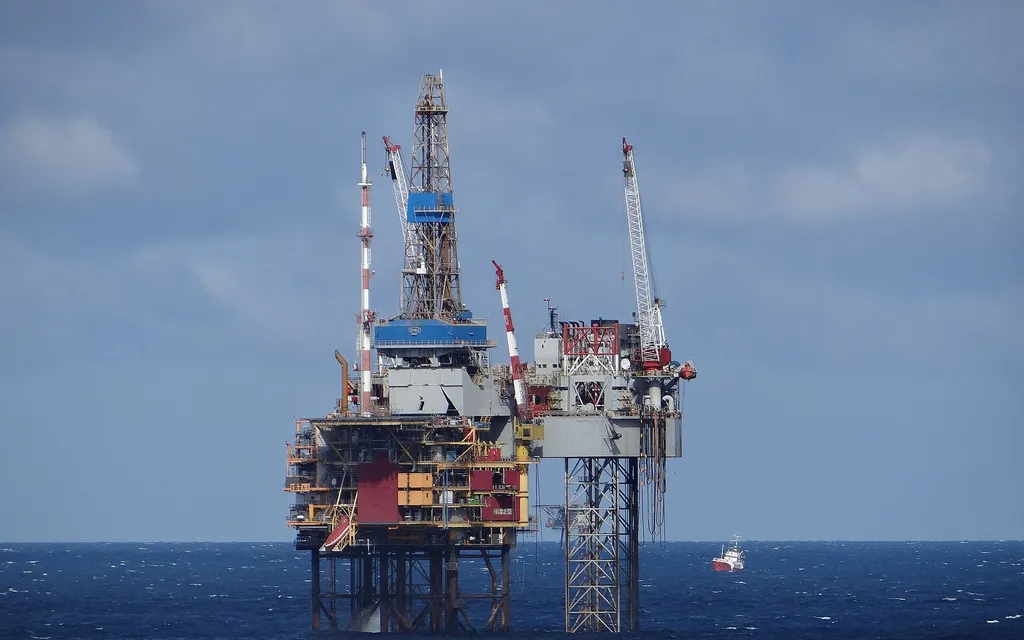
After the war Norway was a modest country living off fishing, shipping and industry. Then, just before Christmas 1969, the Ekofisk field was found in the North Sea. The state decided early on that the oil should belong to everyone: Statoil (today Equinor) was founded, and the state took a large share of the revenue through taxes and ownership.
The money goes into the Government Pension Fund Global, which everyone calls oljefondet, the oil fund. It is invested in shares, bonds and property around the world, and politicians may only spend a small part of its value each year, governed by the fiscal rule (handlingsregelen). That is why Norwegians can discuss the oil fund as passionately as football: everyone has an opinion on how much should be spent, and on what.
Useful phrases
- Gratulerer med dagen!Happy national day! (lit. congratulations on the day)
- Hipp hipp hurra!Hip hip hooray!
- Når ble Grunnloven skrevet?When was the Constitution written?
- Norge ble selvstendig i 1905.Norway became independent in 1905.
- Skal du gå i 17. mai-toget?Are you going to walk in the 17 May parade?
- Har du vært på Vikingtidsmuseet?Have you been to the Museum of the Viking Age?
- Besteforeldrene mine opplevde krigen.My grandparents lived through the war.
- Hvor mye er det i oljefondet nå?How much is in the oil fund now?
More about Norway

Norwegian dialects: why everyone speaks differently
Read the article →
Bokmål and Nynorsk: two written languages in one country
Read the article →
Small talk in Norwegian: weather, cabins and ‘takk for sist’
Read the article →
Working life in Norway: packed lunch, July holidays and a flat structure
Read the article →
Public holidays and time off in Norway: red days, fellesferie and holiday pay
Read the article →
The Norwegian year month by month: from dark January to New Year fireworks
Read the article →Skiing for beginners: cross-country, downhill and how to get started
Read the article →Hiking in Norway: a practical guide from planning to the cabin
Read the article →Free time in Norway: cabins, knitting, fishing and club life
Read the article →
Holidays in Norway: 17 May, Christmas, Easter and Midsummer
Read the article →
Everyday Norwegian food: from brown cheese to Taco Friday
Read the article →
Friluftsliv: the right to roam, DNT cabins and mountain sense
Read the article →
The Sámi and Northern Norway: language, culture and Arctic light
Read the article →
Norway's regions, counties and cities
Read the article →
NAV, healthcare and tax: what you need to know
Read the article →
Everyday life in Norway: housing, prices and winter
Read the article →
Kindergarten and school in Norway
Read the article →
Art, literature and music
Read the article →
Sport in Norway
Read the article →
Everyday etiquette in Norway
Read the article →
Office culture in Norway: how an ordinary workday really works
Read the article →
Business in Norway: big companies, social partnership and business culture
Read the article →
Job hunting in Norway: from job ad to employment contract
Read the article →
Starting your own business in Norway: ENK, AS and the paperwork you need
Read the article →
Dating and relationships in Norway: from the first coffee to samboer
Read the article →
Norway's economy explained: oil, the krone, interest rates and jobs in 2026–2027
Read the article →Salaries in Norway: what people earn and how pay works
Read the article →
What does it cost to live in Norway? Rent, food, electricity and budgets for 2026
Read the article →