
Office culture in Norway: how an ordinary workday really works
Nobody says «Mr Director», the boss queues in the canteen, and at 15:45 the office starts to empty. Norwegian office culture looks relaxed, but it runs on a lot of unwritten rules. Here are the ones that matter, from the meeting room to the Friday beer.

Open-plan and activity-based offices
Most new office buildings in Oslo, Bergen and Stavanger are open-plan. Many companies, among them DNB and Telenor at Fornebu, have moved to activity-based offices: you have no fixed desk, but choose a spot depending on what you are doing. The quiet zone is for focused work, the phone rooms («booths») for calls, and the open area for talking and working together.
The rule is often called «clean desk»: when you go home, the desk must be empty. Laptop and papers go into a locker. It feels odd the first few weeks, especially if you are used to family photos and plants. A practical tip: come in a bit early on Mondays, because the best seats by the window are gone before nine.
Flat hierarchy in practice
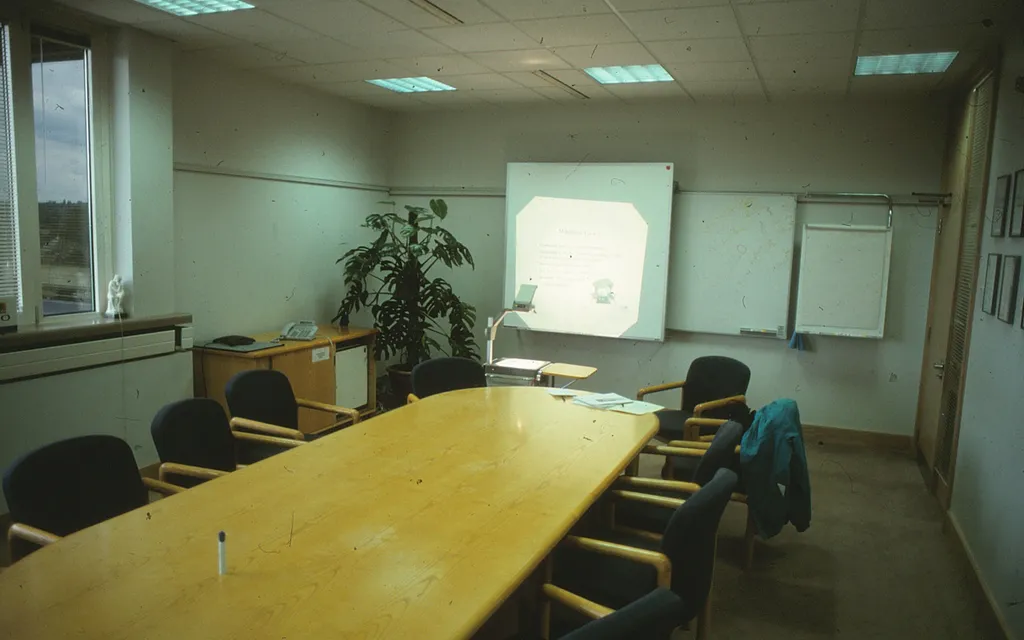
Everyone uses the informal «du» with everyone, including the CEO. The manager often sits in the same open area as the rest of the department, eats in the same canteen and gets coffee from the same machine. That does not mean there is no power, but it is rarely shown. A boss who insists on titles or a corner office quickly gets a bad reputation.
Many newcomers are surprised that it is fine to disagree with the boss, even in a meeting with others present. «I don’t quite agree with that» is a completely normal sentence. Good managers actually expect input and get uneasy if nobody says anything. But tone matters: you criticise the proposal, not the person, and ideally you bring an alternative.
Consensus and «forankring»
One word you will hear a lot is «forankring», anchoring. A decision has to be anchored, meaning that the people affected have had their say before it is made. That can mean an extra meeting with the union representatives, a round in the management group and an email to the team with a deadline for input. To people from more hierarchical countries this looks slow.
The reward comes later. Once the decision is made, people stand behind it, and implementation is fast because nobody feels steamrollered. If you want to get an idea through, it is smart to talk to colleagues one by one before the meeting. Turn up with a finished proposal nobody has heard of, and the answer is often «we need to look at this a bit more».
Meetings: agenda, time and minutes
A meeting in the calendar at 10:00 starts at 10:00. If you arrive five minutes late, nobody comments, but everyone notices. Just as important: the meeting ends on time. Many meetings are booked for 25 or 50 minutes so people can make it to the next one. Running over is seen as poor planning.
The invitation usually has an agenda (dagsorden) with items, and afterwards short minutes (referat) are sent out saying who does what and by when. Read the agenda in advance and prepare, because in Norway you are expected to contribute. Small talk before the meeting is brief, often about the weather or the weekend, and then people get straight to the point.
Trust, home office and leaving early
Norwegian managers talk about trust-based leadership (tillitsbasert ledelse). Nobody looks over your shoulder or checks when you log in. You get a task and a deadline, and then you are expected to deliver. Many people have flexitime: you can arrive between seven and nine and leave accordingly. At 15:45 the office starts to empty, because kindergartens often close at 16:30 or 17:00.
Leaving to pick up children is fully accepted, for men and for managers too. It is not a sign of low commitment, and nobody expects you to stay late just to be seen. Working from home one or two days a week has become normal since the pandemic, but many employers want people in the office on set days, often Tuesday to Thursday. Keeping your camera on in Teams meetings is considered polite.
Feedback and the social side
Norwegians are direct, but rarely harsh. Criticism is often wrapped in understatement: «maybe that is something we could look at» can mean something is quite wrong. «Not too bad» is often a compliment. Praise is cautious, and a «good job» from the boss means more than it sounds. The annual appraisal talk (medarbeidersamtale) is the place for bigger feedback in both directions.
The social side is part of the job. The julebord in November or December is the big party of the year, the summer party comes before the holidays, and many workplaces have a Friday beer or a shared coffee on Friday afternoon. Drinking alcohol-free is completely fine. Still, go to these events, especially in your first year. That is where you get to know people, and Norwegians are far more open with a glass in hand than by the coffee machine.
Useful phrases
- Har du tid til en rask prat?Do you have time for a quick chat?
- Jeg er ikke helt enig i det.I don’t quite agree with that.
- Kan du sende meg dagsordenen før møtet?Can you send me the agenda before the meeting?
- Hvem skriver referat i dag?Who is taking the minutes today?
- Jeg må gå litt tidligere i dag for å hente i barnehagen.I have to leave a bit early today to pick up from kindergarten.
- Jeg jobber hjemmefra på fredag.I’m working from home on Friday.
- Det er kanskje noe vi kan se nærmere på.That might be something we could look at more closely.
- Er denne plassen ledig?Is this seat free?
- Bra jobba, alle sammen!Good job, everyone!
- Blir du med på fredagspils?Are you coming for Friday drinks?
More about Norway

Norwegian dialects: why everyone speaks differently
Read the article →
Bokmål and Nynorsk: two written languages in one country
Read the article →
Small talk in Norwegian: weather, cabins and ‘takk for sist’
Read the article →
Working life in Norway: packed lunch, July holidays and a flat structure
Read the article →
Public holidays and time off in Norway: red days, fellesferie and holiday pay
Read the article →
The Norwegian year month by month: from dark January to New Year fireworks
Read the article →Skiing for beginners: cross-country, downhill and how to get started
Read the article →Hiking in Norway: a practical guide from planning to the cabin
Read the article →Free time in Norway: cabins, knitting, fishing and club life
Read the article →
Holidays in Norway: 17 May, Christmas, Easter and Midsummer
Read the article →
Everyday Norwegian food: from brown cheese to Taco Friday
Read the article →
Friluftsliv: the right to roam, DNT cabins and mountain sense
Read the article →
The Sámi and Northern Norway: language, culture and Arctic light
Read the article →
Norway's regions, counties and cities
Read the article →
A short history of Norway
Read the article →
NAV, healthcare and tax: what you need to know
Read the article →
Everyday life in Norway: housing, prices and winter
Read the article →
Kindergarten and school in Norway
Read the article →
Art, literature and music
Read the article →
Sport in Norway
Read the article →
Everyday etiquette in Norway
Read the article →
Business in Norway: big companies, social partnership and business culture
Read the article →
Job hunting in Norway: from job ad to employment contract
Read the article →
Starting your own business in Norway: ENK, AS and the paperwork you need
Read the article →
Dating and relationships in Norway: from the first coffee to samboer
Read the article →
Norway's economy explained: oil, the krone, interest rates and jobs in 2026–2027
Read the article →Salaries in Norway: what people earn and how pay works
Read the article →
What does it cost to live in Norway? Rent, food, electricity and budgets for 2026
Read the article →