
What does it cost to live in Norway? Rent, food, electricity and budgets for 2026
Norway has a reputation for being expensive, and for rent and eating out it is true. But the picture changes a lot with where you live and how you shop. Here are official figures with the year next to every number, and two example budgets for Oslo and a smaller town.

Rent: Oslo is in a league of its own
SSB measures rents once a year in its rental market survey (leiemarkedsundersøkelsen). In the 2025 survey, published in December 2025, a two-room flat (one bedroom plus a living room) cost on average 15,260 kroner a month in Oslo and Bærum. Bergen (11,870 kroner), Trondheim (11,850 kroner) and Stavanger (11,400 kroner) were close to the national average of 11,790 kroner.
Outside the big cities rents drop sharply: in towns with 2,000–19,999 inhabitants a two-room flat cost 8,660 kroner, and in sparsely populated areas 7,450 kroner (SSB 2025). A one-room flat in Oslo and Bærum cost 10,090 kroner, a four-room flat 23,200 kroner. From 2024 to 2025 the rent for two-room flats in Oslo and Bærum rose by about 6 percent.
Landlords almost always ask for a deposit (depositum) in a separate account in your name, and the Tenancy Act (husleieloven) caps it at six months’ rent. Never pay before you have seen the flat and signed a contract – fake listings on Finn.no do happen.
House prices: buying your own home
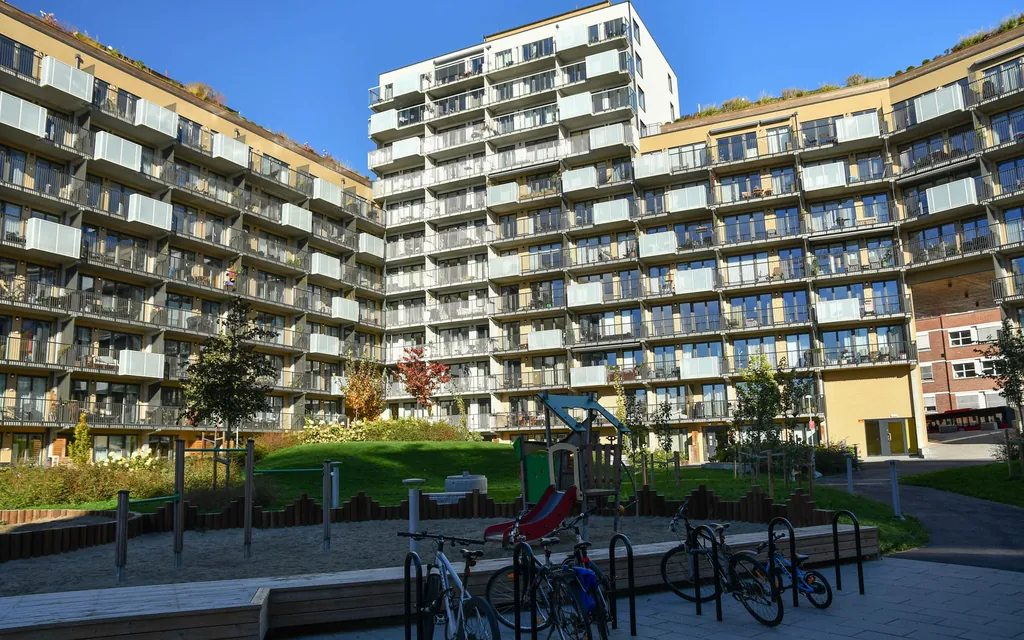
According to Eiendom Norge, the average price of a home in Norway was around 5 million kroner at the end of September 2026. In Oslo the average was almost 7.0 million kroner (about 97,500 kroner per square metre), in Bergen 5.4 million, in Stavanger and surroundings 5.8 million and in Trondheim 4.7 million. So far in 2026 prices have risen by 4.2 percent nationally, while Oslo is down 0.7 percent.
To get a mortgage you normally need 10 percent equity (egenkapital), and your total debt may not exceed five times your gross annual income (utlånsforskriften). The bank also checks that you could cope with an interest rate of at least 7 percent. Rates rose in 2026: Norges Bank’s policy rate has been 4.50 percent since 25 September 2026. Many newcomers rent for the first few years – with Norwegian payslips behind you, a loan is easier to get.
Food: where is it cheapest to shop?
Food prices rose by 2.2 percent from September 2025 to September 2026, according to SSB’s consumer price index, while prices overall rose by 3.4 percent. SIFO’s reference budget for 2026 sets aside 4,760 kroner a month for food and drink for a man aged 25–50, and 4,280 kroner for a woman of the same age.
The cheapest are the discount chains Rema 1000, Kiwi and Extra, plus Bunnpris, which you find in many neighbourhoods. Buy the chains’ own brands, such as First Price (Kiwi), Xtra (Coop) and Rema 1000’s own products, and use their loyalty apps. Plan a weekly menu, look for stickers on food close to its best-before date and freeze bread and meat. Wine and spirits are sold only at Vinmonopolet, and taxes make alcohol expensive.
Electricity: Norgespris or electricity support?
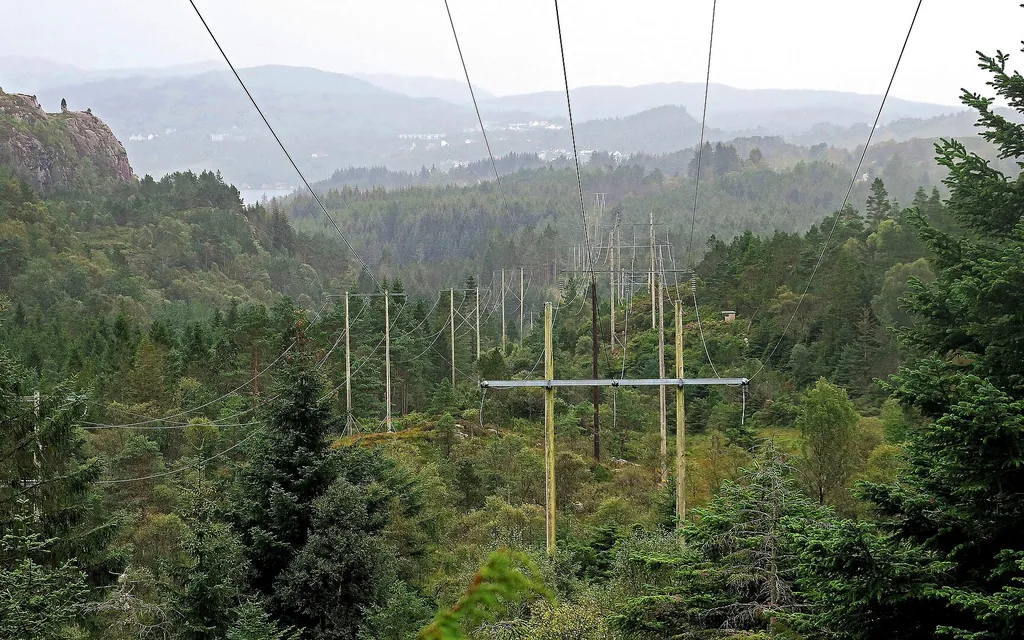
According to SSB, households paid on average 117.9 øre per kWh in the second quarter of 2026, including grid rent and taxes and after government support. Without support the price was 173.2 øre. An average household used about 14,700 kWh of electricity in 2024, while a flat in a block used about 8,950 kWh (SSB, survey from 2022).
There are two schemes. Electricity support (strømstøtte) is automatic: when the spot price is above 77 øre per kWh excluding VAT, the state covers 90 percent of the price above that level, for up to 5,000 kWh a month. Norgespris you order from your grid company: from 1 October 2025 to 31 December 2026 you pay a fixed 40 øre per kWh excluding VAT (50 øre including VAT). For 2027 the government proposes 45 øre excluding taxes, and you must choose Norgespris again for each new year. Grid rent and taxes come on top.
Ask whether electricity is included in the rent, turn down the heat in the bedroom and compare deals on strompris.no, run by the Consumer Council (Forbrukerrådet).
Transport, kindergarten and mobile
Public transport got cheaper in 2026. The state budget set aside 620 million kroner for cheaper monthly passes, and since 3 May 2026 an adult 30-day ticket for Ruter zone 1 (Oslo) costs 655 kroner instead of 805. The subsidy is planned to last until May 2027. Check local prices at Skyss (Bergen), AtB (Trondheim) or Kolumbus (Stavanger).
The maximum price for a full-time kindergarten (barnehage) place is 1,200 kroner a month (since 1 August 2025), 700 kroner in the least central municipalities and nothing in the action zone in Finnmark and Nord-Troms. The second child gets at least 30 percent off, from the third child it is free, and 2–5-year-olds in households earning less than 692,465 kroner (from 1 August 2026) get 20 free hours a week. The budget proposal for 2027 keeps the price at 1,200 kroner. Food money (matpenger) comes on top.
For internet, TV, streaming and home contents insurance, SIFO sets aside 2,570 kroner a month for one person in 2026. Compare mobile plans on comparison sites approved by Nkom, the communications authority.
SIFO’s reference budget and two example budgets
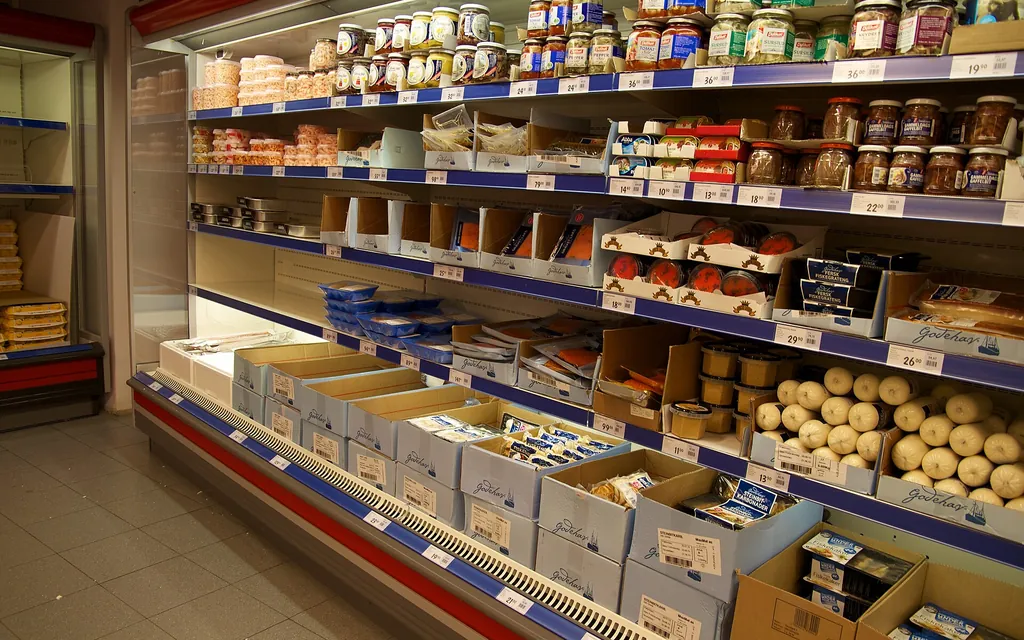
SIFO at OsloMet calculates what a modest but normal level of consumption costs, excluding housing and electricity. In 2026 a man aged 25–50 needs 12,909 kroner a month and a woman 12,599 kroner. The example family – two adults, children aged 5 and 11 and a petrol car – needs 38,538 kroner, kindergarten included. SIFO used a monthly pass at 1,019 kroner.
Example 1, single person in a one-room flat (our example, based on the figures above – your costs will differ): In Oslo, rent 10,090 kroner, electricity about 880 kroner (8,950 kWh a year × 117.9 øre ÷ 12) and SIFO consumption with a 655-kroner pass, 12,545 kroner. Total about 23,500 kroner. In a smaller town, rent 6,570 kroner, electricity 880 kroner, SIFO consumption without a pass, 11,890 kroner, and SIFO’s running costs for an electric car, 2,245 kroner. Total about 21,600 kroner.
Example 2, family of four in a four-room home: In Oslo without a car, rent 23,200 kroner, electricity about 1,440 kroner (14,700 kWh × 117.9 øre ÷ 12), SIFO consumption without a car and with two 655-kroner passes, 33,335 kroner, and kindergarten averaging 1,100 kroner (1,200 kroner for 11 months). Total about 59,100 kroner. In a smaller town with a petrol car, rent 11,650 kroner, electricity 1,440 kroner, SIFO consumption with the car, 37,438 kroner, and kindergarten 1,100 kroner. Total about 51,600 kroner. The rent is 11,550 kroner lower, but the car eats part of the gain.
Money-saving tips and sources
With a low income and high housing costs you can apply for housing allowance (bostøtte) from Husbanken. If you moved here with children, check that you receive child benefit (barnetrygd) from Nav – you often have to apply yourself. Buy second-hand on Finn.no and at Fretex, borrow from the library, avoid consumer loans and «buy now, pay later», and compare electricity, mobile and insurance once a year.
Remember what SIFO leaves out: holidays, gifts, extra dentist visits and the deposit when you move. Put a little aside every month for the winter electricity bills.
Sources: SSB, rental market survey 2025 (table 09895), consumer price index September 2026, electricity prices Q2 2026 and household energy use; Eiendom Norge, house prices September 2026; Norges Bank, rate decision September 2026; Finanstilsynet, utlånsforskriften; lovdata.no, husleieloven; regjeringen.no, Norgespris and electricity support, and state budget 2027 from A to Z; Ruter, prices from 3 May 2026; Udir and SSB, kindergarten fees 2026; SIFO/OsloMet, reference budget 2026 (SIFO report 9-2026).
Useful phrases
- Er strøm inkludert i leia?Is electricity included in the rent?
- Hvor stort er depositumet?How big is the deposit?
- Kan jeg se leiligheten før jeg betaler noe?Can I see the flat before I pay anything?
- Er det tilbud på denne?Is this on offer?
- Har dere en billigere variant?Do you have a cheaper version?
- Jeg vil bestille Norgespris.I want to order Norgespris.
- Hvor mye koster et månedskort?How much is a monthly pass?
- Vi må lage et budsjett.We need to make a budget.
- Det er altfor dyrt for meg.That is far too expensive for me.
- Kan jeg betale med Vipps?Can I pay with Vipps?
More about Norway

Norwegian dialects: why everyone speaks differently
Read the article →
Bokmål and Nynorsk: two written languages in one country
Read the article →
Small talk in Norwegian: weather, cabins and ‘takk for sist’
Read the article →
Working life in Norway: packed lunch, July holidays and a flat structure
Read the article →
Public holidays and time off in Norway: red days, fellesferie and holiday pay
Read the article →
The Norwegian year month by month: from dark January to New Year fireworks
Read the article →Skiing for beginners: cross-country, downhill and how to get started
Read the article →Hiking in Norway: a practical guide from planning to the cabin
Read the article →Free time in Norway: cabins, knitting, fishing and club life
Read the article →
Holidays in Norway: 17 May, Christmas, Easter and Midsummer
Read the article →
Everyday Norwegian food: from brown cheese to Taco Friday
Read the article →
Friluftsliv: the right to roam, DNT cabins and mountain sense
Read the article →
The Sámi and Northern Norway: language, culture and Arctic light
Read the article →
Norway's regions, counties and cities
Read the article →
A short history of Norway
Read the article →
NAV, healthcare and tax: what you need to know
Read the article →
Everyday life in Norway: housing, prices and winter
Read the article →
Kindergarten and school in Norway
Read the article →
Art, literature and music
Read the article →
Sport in Norway
Read the article →
Everyday etiquette in Norway
Read the article →
Office culture in Norway: how an ordinary workday really works
Read the article →
Business in Norway: big companies, social partnership and business culture
Read the article →
Job hunting in Norway: from job ad to employment contract
Read the article →
Starting your own business in Norway: ENK, AS and the paperwork you need
Read the article →
Dating and relationships in Norway: from the first coffee to samboer
Read the article →
Norway's economy explained: oil, the krone, interest rates and jobs in 2026–2027
Read the article →Salaries in Norway: what people earn and how pay works
Read the article →