
Sport in Norway
Sport is one of the easiest ways to get to know Norwegians. You don't have to be good at it. You just have to show up, and ideally know a little about cross-country skiing before you end up in a lunchroom debate in February.

Cross-country skiing: the national sport
Norwegians say they're born with skis on their feet. It's an exaggeration, but not by much. As soon as the snow arrives, the floodlit trails (lysløyper) in the forests around the cities fill up. In Oslo the metro goes straight up to Frognerseteren and Sognsvann, and you can ski right from the station.
You don't have to buy everything new. Many kommuner have BUA, a lending scheme where you borrow skis and other gear for free. The second-hand market on Finn.no is also full of skis every autumn. Learn to wax, or buy skin skis (felleski) that don't need grip wax. And be prepared: a 70-year-old will overtake you on the uphill.
Holmenkollen and the Birkebeiner race
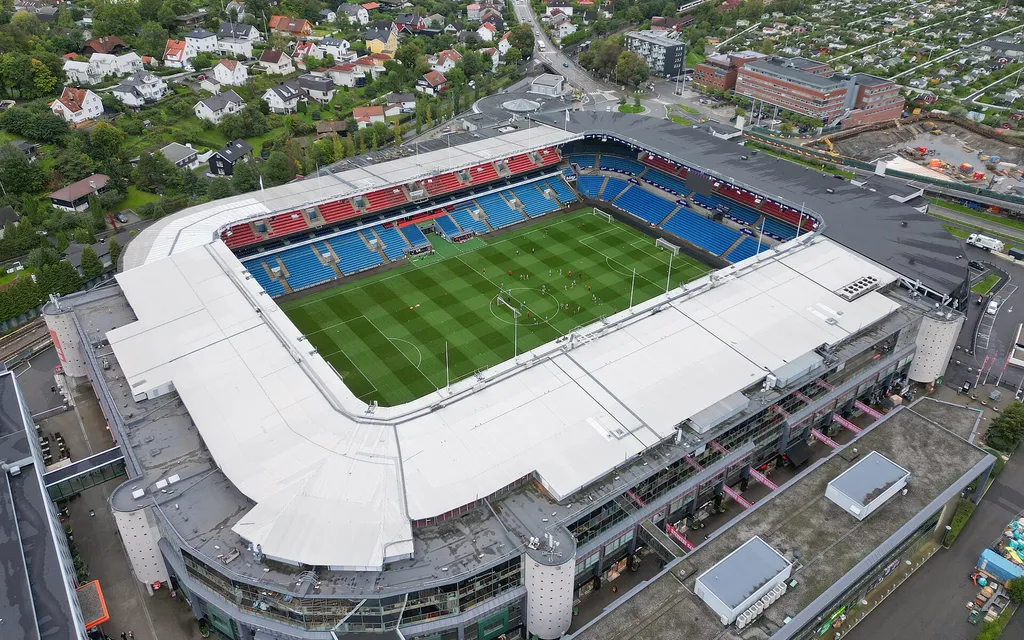
Holmenkollen is the ski jump you see above Oslo. Every March the Holmenkollen Ski Festival brings ski jumping, Nordic combined and cross-country, and the 50 km race is the classic. Thousands of people camp in the forest along the course, grill sausages and cheer for everyone, including whoever comes last. Standing along the course is free.
The Birkebeinerrennet runs from Rena to Lillehammer, 54 kilometres across the mountain. Everyone has to carry a pack of at least 3.5 kg, in memory of the Birkebeiner warriors who in 1206 carried the infant prince Håkon over the mountains. Over ten thousand people take part each year, and many train all winter to earn the merket, the badge for a fast time.
The Winter Olympics and the big names
Norway has won more Winter Olympic medals than any other country in history, with a population of just over five million. The 1994 Lillehammer Olympics are still a fond memory for many.
Marit Bjørgen has 15 Olympic medals, eight of them gold. Johannes Høsflot Klæbo from Trondheim is today's big star, with a string of Olympic golds and world titles. He's known for explosive sprints on the uphills. During championships the TV is on in the break room at work, and people slip out of meetings to watch the last leg of the relay.
Football, handball, chess and athletics
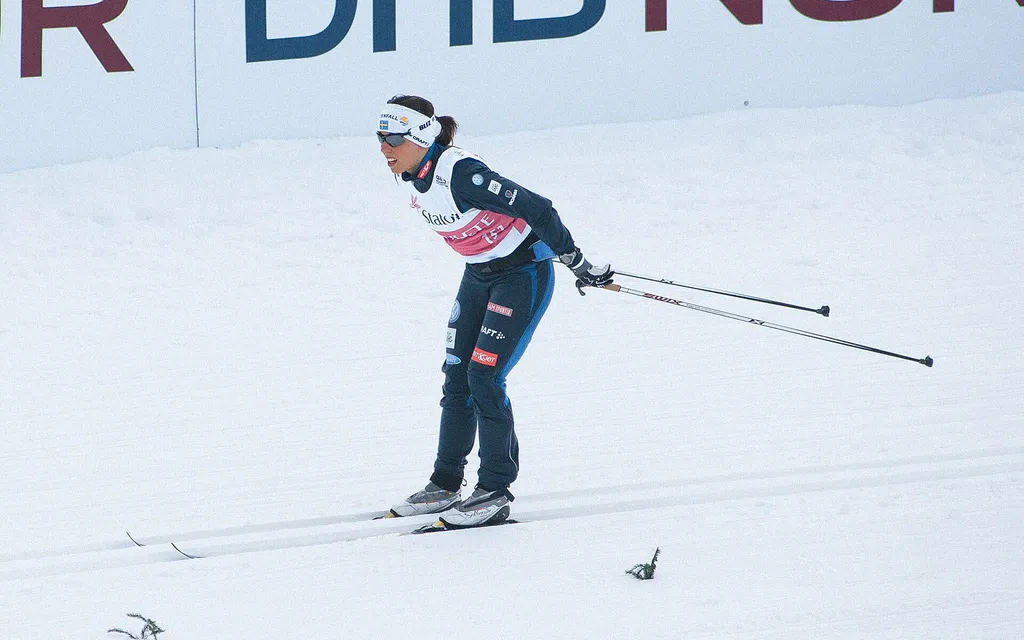
In summer football takes over. Erling Haaland, who grew up in Bryne, scores goals for Manchester City, and Martin Ødegaard captains Arsenal. The men's team played at the 2026 World Cup, their first World Cup since 1998. Erling Haaland scored twice when Norway beat Brazil 2–1 in the round of 16, and the whole country celebrated. Many Norwegians also support an English club, so ask who they're for.
The women's handball team has won a long list of championships, and the December World and European Championships are standard cosy TV viewing. Magnus Carlsen was world chess champion from 2013 to 2023 and made chess popular on TV. Karsten Warholm set the 400 m hurdles world record at the Tokyo Olympics with 45.94.
The sports club and the dugnad
Nearly every child in Norway belongs to an idrettslag, a local sports club run by volunteer parents. The coach of your son's football team is probably a dad who works at a bank. Children's sport is meant to be about play, and in many sports no official results are kept for the youngest.
Dugnad is shared voluntary work, and it keeps the club going. You will sell raffle tickets, staff the kiosk at a tournament or clean changing rooms. Say yes. It's the best way to get to know other parents, and people notice who turns up. Adults can join too: most clubs have sessions for casual exercisers, and a company sports club (bedriftsidrettslag) at work is an easy way in.
Out on a trip
Sport in Norway isn't only about competition. The Sunday walk (søndagstur) is almost an institution. People head into the forest or the mountains with a thermos, an orange and a Kvikk Lunsj chocolate bar in the backpack. DNT, the Norwegian Trekking Association, has cabins and marked trails all over the country, and membership is a good investment.
The right to roam (allemannsretten) lets you walk and camp almost anywhere on uncultivated land, as long as you're considerate and clean up after yourself. Say yes when colleagues ask if you want to come for a walk. That's often how friendships start here, walking side by side without having to look each other in the eye.
Useful phrases
- Skal vi gå på ski i helgen?Shall we go skiing at the weekend?
- Hvem heier du på?Who do you support?
- Heia Norge!Come on, Norway!
- Hvordan melder jeg meg inn i idrettslaget?How do I join the sports club?
- Jeg kan stille på dugnaden.I can help out at the dugnad.
- Hvor kan jeg låne ski?Where can I borrow skis?
- Er løypene preppet?Have the trails been groomed?
- Vil du bli med på tur?Do you want to come for a walk?
- Det var en tung motbakke!That was a tough uphill!
More about Norway

Norwegian dialects: why everyone speaks differently
Read the article →
Bokmål and Nynorsk: two written languages in one country
Read the article →
Small talk in Norwegian: weather, cabins and ‘takk for sist’
Read the article →
Working life in Norway: packed lunch, July holidays and a flat structure
Read the article →
Public holidays and time off in Norway: red days, fellesferie and holiday pay
Read the article →
The Norwegian year month by month: from dark January to New Year fireworks
Read the article →Skiing for beginners: cross-country, downhill and how to get started
Read the article →Hiking in Norway: a practical guide from planning to the cabin
Read the article →Free time in Norway: cabins, knitting, fishing and club life
Read the article →
Holidays in Norway: 17 May, Christmas, Easter and Midsummer
Read the article →
Everyday Norwegian food: from brown cheese to Taco Friday
Read the article →
Friluftsliv: the right to roam, DNT cabins and mountain sense
Read the article →
The Sámi and Northern Norway: language, culture and Arctic light
Read the article →
Norway's regions, counties and cities
Read the article →
A short history of Norway
Read the article →
NAV, healthcare and tax: what you need to know
Read the article →
Everyday life in Norway: housing, prices and winter
Read the article →
Kindergarten and school in Norway
Read the article →
Art, literature and music
Read the article →
Everyday etiquette in Norway
Read the article →
Office culture in Norway: how an ordinary workday really works
Read the article →
Business in Norway: big companies, social partnership and business culture
Read the article →
Job hunting in Norway: from job ad to employment contract
Read the article →
Starting your own business in Norway: ENK, AS and the paperwork you need
Read the article →
Dating and relationships in Norway: from the first coffee to samboer
Read the article →
Norway's economy explained: oil, the krone, interest rates and jobs in 2026–2027
Read the article →Salaries in Norway: what people earn and how pay works
Read the article →
What does it cost to live in Norway? Rent, food, electricity and budgets for 2026
Read the article →