
Everyday life in Norway: housing, prices and winter
Your first months in Norway are mostly about practical things: finding somewhere to live, getting BankID, working out why the beer disappears from supermarket shelves at eight o'clock, and getting through your first dark winter. Here is the advice I wish someone had given me.

Renting a home
Almost every rental home is listed on finn.no. Good flats in Oslo, Bergen and Trondheim go quickly, so send a short, proper message saying who you are, where you work and when you can move in. At a viewing it is normal to take your shoes off.
Always insist on a written tenancy agreement (husleiekontrakt) – the Consumer Council (Forbrukerrådet) has a standard contract that many people use. Under the Tenancy Act the deposit (depositum) can be at most six months' rent, and it must be held in a separate deposit account in your name, not in the landlord's private account. Never transfer a deposit to someone you have not met or for a flat you have not seen. Scam adverts are sadly common, especially just before the academic year starts.
BankID and digital Norway
BankID is the key to almost everything: nav.no, skatteetaten.no, helsenorge.no, Vipps, tenancy agreements and electricity contracts. You get it through a Norwegian bank once you have a fødselsnummer and approved ID. Some banks require you to come in person, and with passports from some countries it can take a while, so start early.
Once BankID is sorted, download Vipps. Norwegians «vipps» each other for everything from dinner bills to second-hand buys on finn.no, and cash is rarely used. Also make sure you have activated Digipost or e-Boks, because letters from public agencies increasingly arrive digitally rather than in your letterbox.
Prices and Vinmonopolet
Norway is expensive, but not equally expensive across the board. Restaurant meals, alcohol, tobacco and tradesmen cost a lot. Groceries are pricey, but the discount chains Rema 1000, Kiwi and Extra keep prices down, and many people do one big shop a week. Bring a packed lunch (matpakke) like Norwegians do and you will save a lot.
You can buy low-alcohol beer in the supermarket, but only until 20:00 on weekdays and 18:00 on Saturdays. On Sundays shops do not sell beer at all. Wine, spirits and beer stronger than 4.7 per cent are sold only at Vinmonopolet, the state-owned chain. «Polet» has a good selection and knowledgeable staff, but it is closed on Sundays and public holidays, so plan ahead before Easter and Christmas.
Weather, clothes and the dark season
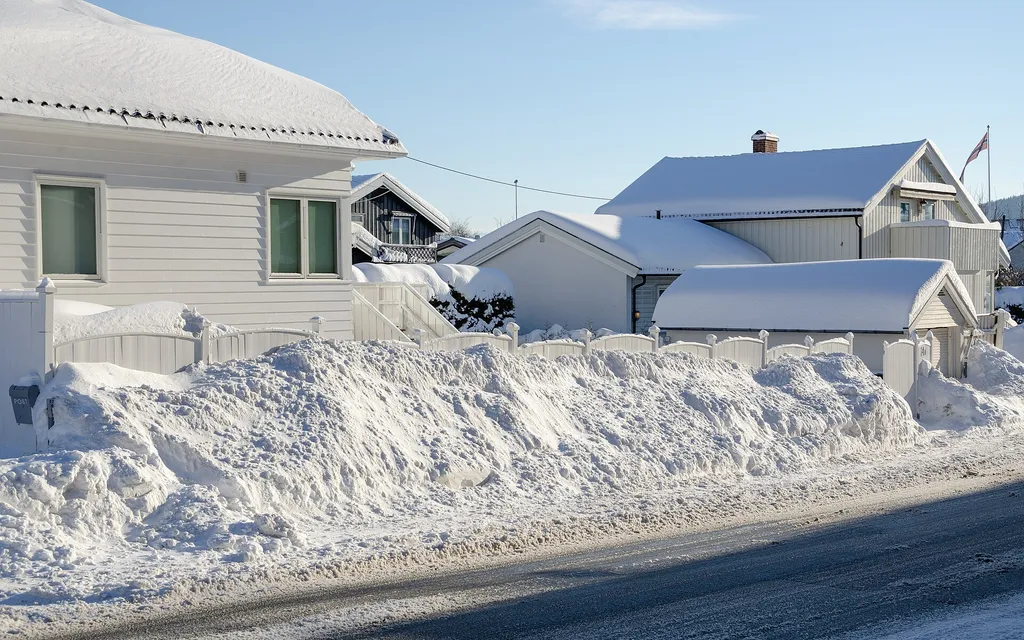
Sooner or later you will hear «there is no bad weather, only bad clothes». It is mostly true. Buy wool for the base layer, a good wind- and waterproof jacket and shoes with deep treads or ice grips (brodder). Kindergarten children are outside in almost any weather, so expect to buy an all-in-one winter suit, rain gear and wool underwear.
In Northern Norway the sun does not rise above the horizon for weeks in midwinter – in Tromsø roughly from late November to mid-January. But in Oslo too the days are short in December. Get out in the daylight when you can, consider a daylight lamp and talk to your GP about vitamin D. And sign up for something: a choir, a sports club, a course. Winter is easier with other people.
Public transport
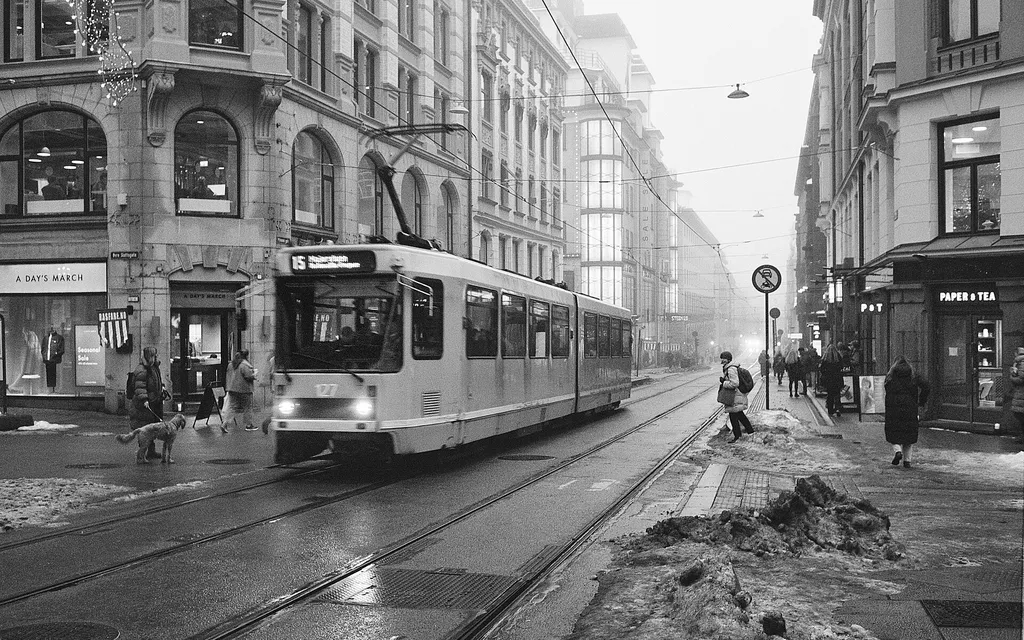
Every county has its own public transport company: Ruter in Oslo and Akershus, Skyss in Vestland, AtB in Trøndelag, Kolumbus in Rogaland and so on. You buy tickets in the company's app, and a monthly pass pays for itself quickly if you commute. Vy runs most of the trains in Eastern Norway and between the big cities.
The Entur app is the best tool for planning trips across the whole country, with trains, buses, boats and ferries in one search. If you drive, remember that road tolls are charged automatically through AutoPASS, and that winter tyres are needed for much of the year. Along the coast the ferry is part of the road, and in many places it is the only way to get there.
Norwegian courses, the Norwegian test and citizenship
The municipality offers Norwegian tuition, but whether it is free depends on your residence status. Labour migrants from the EEA usually have to pay themselves, either at the municipal adult education centre, a private school or an online course. Folkeuniversitetet and many universities run evening classes.
The Norwegian test (norskprøven) measures oral and written skills from A1 to C1, and the result is used by employers, colleges and the authorities. If you apply for Norwegian citizenship, you must among other things document oral Norwegian at level B1 or higher – the requirement was tightened in autumn 2022 – and pass the citizenship test. The rules change from time to time, so check udi.no before you apply. The best advice is still simple: speak Norwegian, even when people answer in English.
Useful phrases
- Er leiligheten fortsatt ledig?Is the flat still available?
- Når kan jeg komme på visning?When can I come to a viewing?
- Er strøm inkludert i husleia?Is electricity included in the rent?
- Kan jeg vippse deg?Can I pay you with Vipps?
- Når stenger polet?When does the Vinmonopolet shop close?
- Hvor går bussen til sentrum?Where does the bus to the city centre leave from?
- Det er så mørkt om vinteren.It is so dark in winter.
- Kan du snakke litt saktere?Could you speak a bit more slowly?
- Jeg vil gjerne øve på norsk.I would like to practise my Norwegian.
More about Norway

Norwegian dialects: why everyone speaks differently
Read the article →
Bokmål and Nynorsk: two written languages in one country
Read the article →
Small talk in Norwegian: weather, cabins and ‘takk for sist’
Read the article →
Working life in Norway: packed lunch, July holidays and a flat structure
Read the article →
Public holidays and time off in Norway: red days, fellesferie and holiday pay
Read the article →
The Norwegian year month by month: from dark January to New Year fireworks
Read the article →Skiing for beginners: cross-country, downhill and how to get started
Read the article →Hiking in Norway: a practical guide from planning to the cabin
Read the article →Free time in Norway: cabins, knitting, fishing and club life
Read the article →
Holidays in Norway: 17 May, Christmas, Easter and Midsummer
Read the article →
Everyday Norwegian food: from brown cheese to Taco Friday
Read the article →
Friluftsliv: the right to roam, DNT cabins and mountain sense
Read the article →
The Sámi and Northern Norway: language, culture and Arctic light
Read the article →
Norway's regions, counties and cities
Read the article →
A short history of Norway
Read the article →
NAV, healthcare and tax: what you need to know
Read the article →
Kindergarten and school in Norway
Read the article →
Art, literature and music
Read the article →
Sport in Norway
Read the article →
Everyday etiquette in Norway
Read the article →
Office culture in Norway: how an ordinary workday really works
Read the article →
Business in Norway: big companies, social partnership and business culture
Read the article →
Job hunting in Norway: from job ad to employment contract
Read the article →
Starting your own business in Norway: ENK, AS and the paperwork you need
Read the article →
Dating and relationships in Norway: from the first coffee to samboer
Read the article →
Norway's economy explained: oil, the krone, interest rates and jobs in 2026–2027
Read the article →Salaries in Norway: what people earn and how pay works
Read the article →
What does it cost to live in Norway? Rent, food, electricity and budgets for 2026
Read the article →