
Business in Norway: big companies, social partnership and business culture
Norway is a small country with a few very large companies, strong unions and a state that owns a lot. If you are going to work for, sell to or partner with Norwegians, it helps to understand how the economy fits together, and why a Norwegian «yes» is worth a great deal.

Oil, gas, metal and fish
The largest company is Equinor, formerly Statoil, with its head office in Stavanger and the state as its biggest owner. Around the oil and gas industry a whole world of suppliers has grown up: Kjell Inge Røkke’s Aker companies, the shipyards on the west coast and thousands of small engineering firms. Hydro makes aluminium using cheap hydropower, with plants from Sunndalsøra to Årdal.
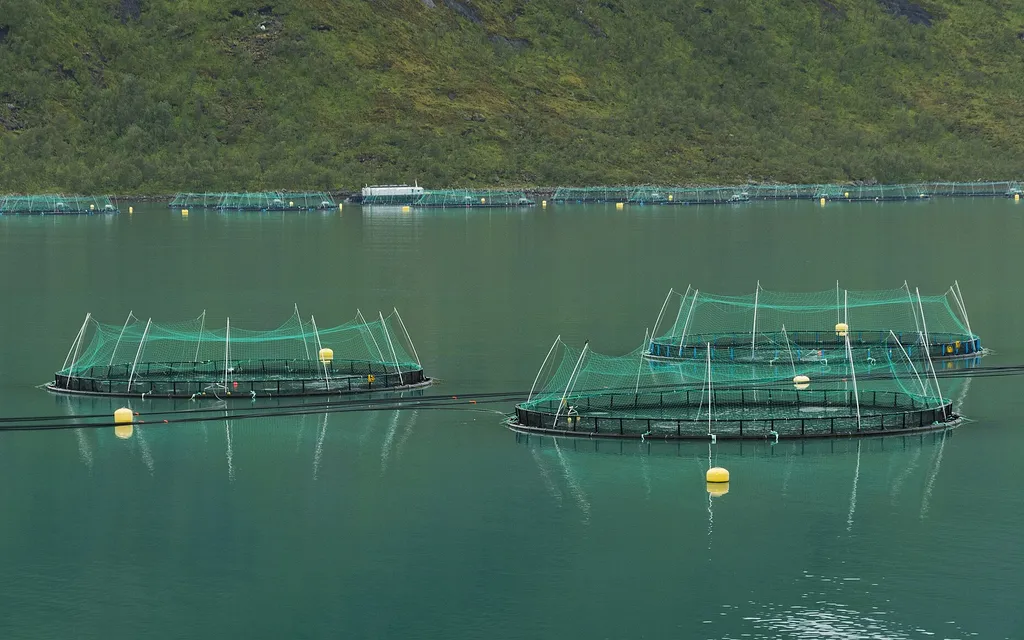
The other big export industry is seafood. Norwegian salmon is sold to much of the world, and companies like Mowi, Lerøy and SalMar have turned fish farming into an industry. Many immigrants work in fish processing along the coast, from Frøya to Finnmark. Shipping is another old Norwegian strength: shipowners such as Wilh. Wilhelmsen and Odfjell, and a strong maritime cluster in Oslo, Bergen and Ålesund.
Telecom, banking, defence and consumer goods
Telenor at Fornebu is Norway’s big telecom company and has been active in many countries in Asia and the Nordics. DNB is the largest bank, and almost every Norwegian has been a customer at some point. Kongsberg Gruppen makes everything from missiles and defence systems to maritime technology, and has grown strongly in recent years.
In the supermarket you meet Orkla everywhere, even though the name rarely appears on the packet: Grandiosa, Stabburet and Nidar chocolate are all Orkla brands. Schibsted owns Aftenposten and VG and founded Finn.no, where Norwegians buy everything from sofas to homes. Many big companies are wholly or partly owned by the state. That is normal in Norway and not a sign that the company is badly run.
The Nordic model and social partnership
The core of the Norwegian model is social partnership (partssamarbeidet): employers, the unions and the state talk to each other. On one side is LO, the largest workers’ confederation, and on the other NHO, the Confederation of Norwegian Enterprise. Every spring there is a wage settlement (tariffoppgjør) in which pay rises are negotiated. Export industry negotiates first, and its result becomes the frame for everyone else. This is called the frontfag model.
For you as an employee this means that pay and conditions are often set in a collective agreement, not just in your own contract. Strikes happen, but rarely and in an orderly way. Companies have union representatives, and in larger limited companies the employees have the right to elect representatives to the board. So it is not strange that a welder from the workshop sits in the same board meeting as the CEO.
The oil fund and the startup scene
Income from oil and gas is put into the Government Pension Fund Global, which everyone calls the oil fund. It invests in shares, bonds and property abroad, and politicians may spend only a small part of it each year. This gives the state a solid foundation, but Norwegians talk surprisingly little about it in daily life.
Oslo has a growing startup scene, with Oslo Science Park and several incubators. Kahoot! started here and ended up in classrooms around the world. Vipps, built jointly by the banks, is now so common that «å vippse» has become a verb. The online grocer Oda delivers food to your door. Norwegian startups tend to be less loud than those in Stockholm or Berlin, and investors value a realistic business case more than big words.
Doing business with Norwegians
Arrive on time, ideally five minutes early. Dress neatly but not too formally; a suit without a tie is common, and in many industries a shirt is enough. The handshake is short and firm, and first names are used from the first meeting. Small talk lasts a couple of minutes, and then you get down to business. Talking at length about family and football before business is quickly felt as wasting time.
Hard selling works badly. Big promises, pressure and «this offer is only valid today» make Norwegians suspicious. Be concrete instead: what it costs, what they get, and what happens if something goes wrong. Feel free to admit weaknesses in your product. It builds trust, and trust is the whole foundation of Norwegian business.
Trust, pace and keeping your word
Decisions often take longer than you are used to. The person you meet may need to anchor the matter internally, and weeks can pass without an answer. Nagging rarely helps; a friendly reminder after a week or so is enough. In return, a Norwegian decision is stable. Once someone has said yes, they rarely change their mind, and a verbal agreement is taken seriously.
The same is expected of you. If you promise to send a quote on Friday, send it on Friday. If you cannot meet a deadline, say so early. Many foreigners think the slow pace means Norwegians do not care, but it is the opposite: they want to do it properly once. A supplier who always delivers what he promises often gets steady work for many years.
Useful phrases
- Takk for at dere tok dere tid til dette møtet.Thank you for taking the time for this meeting.
- Skal vi gå rett på sak?Shall we get straight to the point?
- Jeg sender deg et tilbud innen fredag.I’ll send you a quote by Friday.
- Hva er tidsplanen for beslutningen?What is the timeline for the decision?
- Vi må forankre dette internt først.We need to anchor this internally first.
- Er prisen inkludert merverdiavgift?Does the price include VAT?
- Jeg følger opp med en e-post neste uke.I’ll follow up with an email next week.
- Det kan vi dessverre ikke love.Unfortunately we can’t promise that.
- Da har vi en avtale.Then we have a deal.
More about Norway

Norwegian dialects: why everyone speaks differently
Read the article →
Bokmål and Nynorsk: two written languages in one country
Read the article →
Small talk in Norwegian: weather, cabins and ‘takk for sist’
Read the article →
Working life in Norway: packed lunch, July holidays and a flat structure
Read the article →
Public holidays and time off in Norway: red days, fellesferie and holiday pay
Read the article →
The Norwegian year month by month: from dark January to New Year fireworks
Read the article →Skiing for beginners: cross-country, downhill and how to get started
Read the article →Hiking in Norway: a practical guide from planning to the cabin
Read the article →Free time in Norway: cabins, knitting, fishing and club life
Read the article →
Holidays in Norway: 17 May, Christmas, Easter and Midsummer
Read the article →
Everyday Norwegian food: from brown cheese to Taco Friday
Read the article →
Friluftsliv: the right to roam, DNT cabins and mountain sense
Read the article →
The Sámi and Northern Norway: language, culture and Arctic light
Read the article →
Norway's regions, counties and cities
Read the article →
A short history of Norway
Read the article →
NAV, healthcare and tax: what you need to know
Read the article →
Everyday life in Norway: housing, prices and winter
Read the article →
Kindergarten and school in Norway
Read the article →
Art, literature and music
Read the article →
Sport in Norway
Read the article →
Everyday etiquette in Norway
Read the article →
Office culture in Norway: how an ordinary workday really works
Read the article →
Job hunting in Norway: from job ad to employment contract
Read the article →
Starting your own business in Norway: ENK, AS and the paperwork you need
Read the article →
Dating and relationships in Norway: from the first coffee to samboer
Read the article →
Norway's economy explained: oil, the krone, interest rates and jobs in 2026–2027
Read the article →Salaries in Norway: what people earn and how pay works
Read the article →
What does it cost to live in Norway? Rent, food, electricity and budgets for 2026
Read the article →